
★★★★★
"I signed up for information and was given a very professional assessment of my properties potential with detailed investment information and projected savings. No pressure and very courteous staff members"

ROBIN MCLAUGHLIN
6 months ago
The federal, state, and utility solar incentives available in Vermont for 2026, then matched to a vetted local installer.
We do the math for your address and match you with one vetted installer. Free, no obligation.
A vetted installer covering Vermont will follow up within 1 business day. Reference ID:
The 30 percent federal Residential Clean Energy Credit under Section 25D expired for property placed in service after December 31, 2025. Cash and loan purchases made now receive no federal tax credit. Vermont net metering compensation remains comparatively strong, so the stack is thinner than it was rather than empty.
Source ↗Section 48E, the commercial Clean Electricity Investment Credit, survives at 30 percent and is available to third-party owners of residential systems under leases and power purchase agreements. The provider claims it and may reflect part of the value in the rate offered. Ask what they claim and what actually reaches you, and confirm with a tax advisor.
Source ↗Vermont net metering compensation under Public Utility Commission Rule 5.100 is built from a blended residential rate, then modified by a REC adjustor and a siting adjustor set by the Commission. In the 2026 biennial update the Department recommended a statewide blended residential rate of $0.2071 per kWh, an increase of $0.0231 per kWh, with utilities directed to file tariffs no later than June 15, 2026 to take effect on August 1, 2026. Because the components are revised through a biennial process, confirm the current figures with your utility rather than relying on a published guide.
Source ↗Vermont prices a choice most states do not put to homeowners at all. If you retain the Renewable Energy Credits your system generates, the REC adjustor is minus 3 cents per kWh as of 2026. If you transfer them to the utility, you avoid that reduction. So keeping the environmental attributes of your own generation, and being able to say your home runs on renewable energy you produced, costs three cents on every kilowatt hour. Neither answer is wrong, but it should be a decision you made rather than one made for you in the paperwork.
A siting adjustor modifies compensation based on where and how the system is sited, with the Commission favouring preferred sites. For a residential rooftop system the relevant question is simply which category your installation falls into and what adjustor value applies. Ask your installer to state the category and the adjustor in the projection rather than folding everything into a single compensation figure.
The net metering programme is reviewed biennially, and the Commission has steadily reduced the value of the adjustors over successive updates. That means the compensation a system receives is a function of when it enrols, and it means a long projection should state what it assumes about future reviews. Ask whether your terms are fixed for a period once you enrol, and get that answer from the utility or the Commission rather than from a sales conversation.
Vermont is served by Green Mountain Power alongside municipal utilities such as Burlington Electric Department and cooperatives such as Vermont Electric Cooperative. Each files its own tariff under the Commission rule, so the blended residential rate and the resulting compensation differ between them. Check the utility name on a recent bill before applying any Green Mountain Power figure to your address.
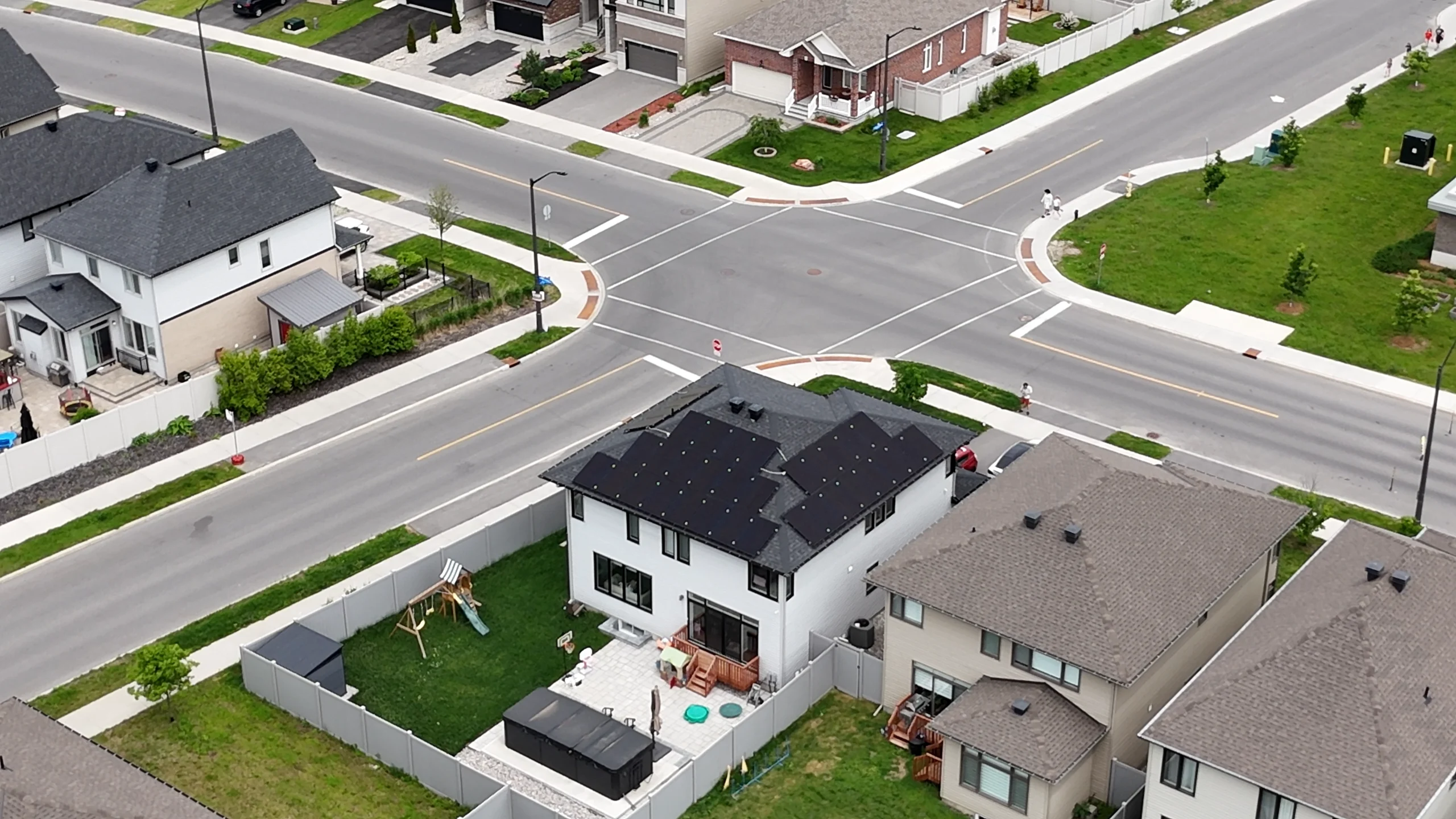
Vermont net metering under Public Utility Commission Rule 5.100 is more explicitly constructed than most, which is useful because it means every component can be questioned separately. Compensation begins from a blended residential rate, calculated by each utility and reviewed through a biennial process. In the 2026 biennial update the Department provided worksheets recommending a statewide blended residential rate of $0.2071 per kWh, an increase of $0.0231 per kWh, and the Commission directed electric distribution utilities to file tariffs no later than June 15, 2026 to take effect on August 1, 2026. Two adjustors then modify that base. The siting adjustor reflects where and how the system is sited. The REC adjustor reflects what happens to the Renewable Energy Credits your system generates: if you keep them, the adjustor is minus 3 cents per kWh as of 2026, and if you transfer them to the utility you avoid that reduction. That is a genuine decision with a price on it, and it is one most states never put to a homeowner at all. Keeping your RECs means you can accurately say your household runs on renewable energy you generated; transferring them means three cents more per kilowatt hour. The Commission has steadily reduced the adjustor values over successive biennial reviews, so the terms a system receives depend on when it enrols, and a long projection should state what it assumes about that. Vermont is served by Green Mountain Power alongside municipal utilities and cooperatives, each filing its own tariff, so confirm the figures that apply at your address.
Every review here is real, attributed, and links back to the installer's verified Google profile.
"I signed up for information and was given a very professional assessment of my properties potential with detailed investment information and projected savings. No pressure and very courteous staff members"
"I was communicating with Josh. He put together a detailed proposal very quickly and provided two options to consider.Very pleased with his professionalism."

"We had difficulty with our monitoring site ans called for help. Ken not only got us back on the site, but introduced us to some new features. He spent a great deal of time with us and was patient and gave clear instructions as he walked us through the process. Very satisfied with support."

See which of these Vermont programs you qualify for, with the math done for your address. Free, no obligation.
Get my Vermont quote