★★★★★
"I signed up for information and was given a very professional assessment of my properties potential with detailed investment information and projected savings. No pressure and very courteous staff members"

ROBIN MCLAUGHLIN
6 months ago
The federal, state, and utility solar incentives available in Oregon for 2026, then matched to a vetted local installer.
We do the math for your address and match you with one vetted installer. Free, no obligation.
A vetted installer covering Oregon will follow up within 1 business day. Reference ID:
The 30 percent federal Residential Clean Energy Credit under Section 25D expired for property placed in service after December 31, 2025. Cash and loan purchases made now receive no federal tax credit, which makes Energy Trust of Oregon the largest incentive most Oregon homeowners have left. A quote that still applies the federal credit is overstating your return by roughly a third.
Source ↗Section 48E, the commercial Clean Electricity Investment Credit, survives at 30 percent and is available to third-party owners of residential systems under leases and power purchase agreements. The provider claims it and may reflect part of the value in the rate offered. Ask what they claim and what actually reaches you, and confirm with a tax advisor.
Source ↗A cash incentive of $3,500 per home for Portland General Electric customers and $2,500 per home for Pacific Power customers, on systems of at least 2 kW DC. The system must be installed by an approved Energy Trust solar trade ally contractor, so choosing a non-participating installer forfeits the incentive entirely. Energy Trust is funded by a surcharge on PGE, Pacific Power, NW Natural, Cascade and Avista bills, which is why customers of consumer-owned utilities such as EWEB and Springfield Utility Board are not eligible. Offers are subject to funding availability and may change at any time.
Source ↗For Portland General Electric customers, $400 per kWh up to a maximum of $5,000 per home. For Pacific Power customers, $288 per kWh up to a maximum of $3,600 per home. Both require a minimum capacity of 3 kWh and the battery must connect to a qualifying solar system, so storage on its own does not qualify.
Source ↗Increased Energy Trust incentives for income-qualified households, available to Portland General Electric and Pacific Power customers only. Income limits are set county by county rather than statewide, so a household that does not qualify in one county may qualify in another at the same income. It is not applied automatically: ask whether your household qualifies and ask to see the determination.
The Oregon Department of Energy programme reopened on June 15, 2026 with $1.1 million and received enough reservation applications to fully reserve it, so it is not accepting applications. When funded it pays homeowners up to $5,000 for solar and up to $2,500 for storage, covering 60 percent of net costs for low or moderate income households and 40 percent for others, through an ODOE-approved contractor who receives the rebate and passes it through. A reservation is required before construction starts. Check the current status with ODOE before letting any quote include this money.
Source ↗Excess generation is credited at the full retail rate and carried forward as kilowatt hour credits. The annual billing cycle concludes at the end of the March billing cycle each year, and any unused credit remaining is granted to the utility for distribution to customers enrolled in its low-income assistance programmes. So surplus is not paid out to you, which is a direct argument against oversizing.
Source ↗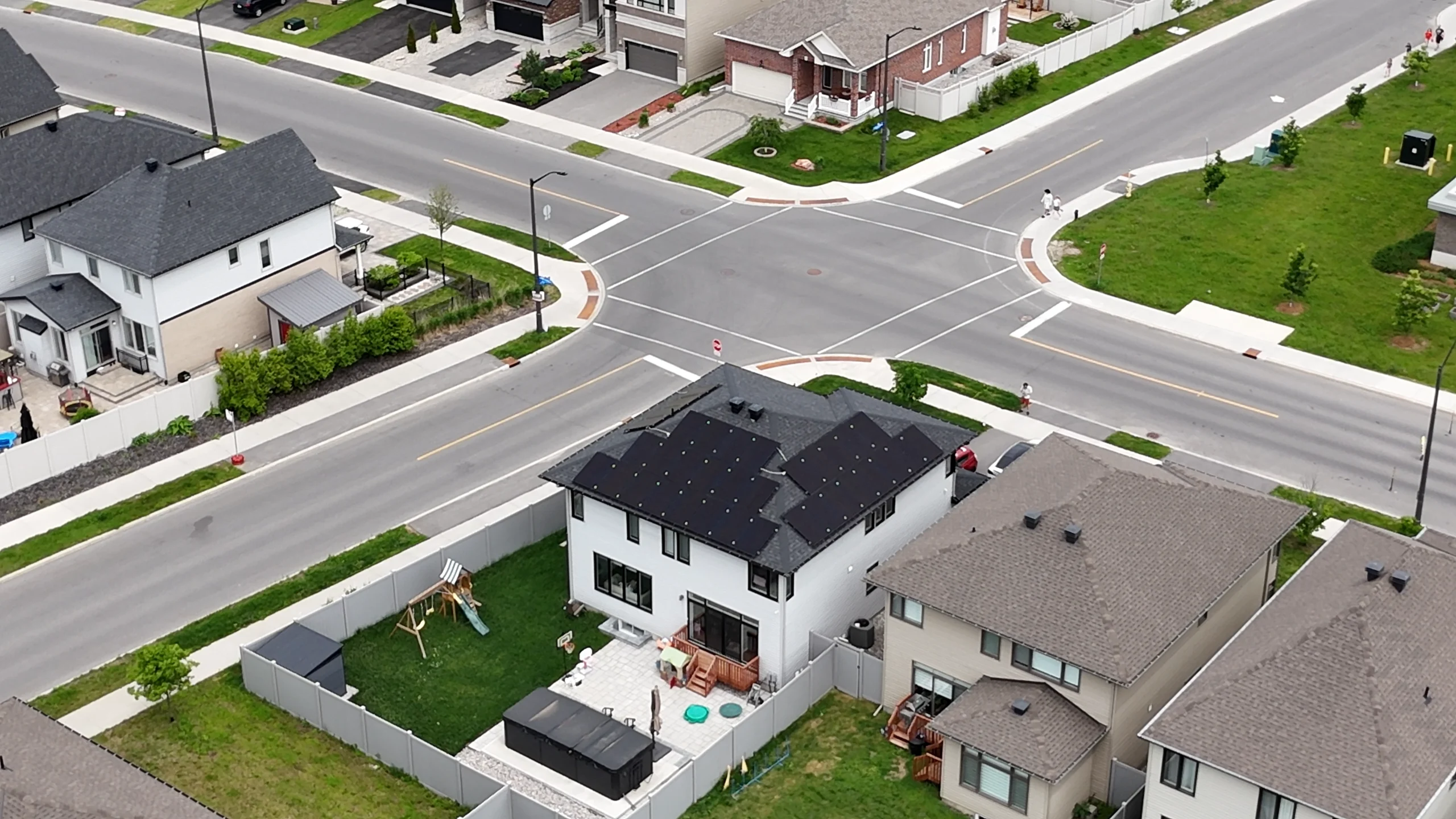
Oregon credits excess generation at the full retail rate under ORS 757.300, carried forward month to month as kilowatt hour credits. The part that changes how a system should be designed is what happens at the end of the year. The annual billing cycle concludes at the end of the March billing cycle, and any unused kilowatt hour credit remaining at that point is granted to the electric utility for distribution to customers enrolled in its low-income assistance programmes. It is not paid out to you and it does not carry into the next year. That makes March, rather than December, the date your solar year actually ends, and it makes a system sized to generate an annual surplus a system that donates the surplus. Build to your consumption from your last twelve months of bills, and ask any installer what the projection assumes happens to credit remaining in March.
Every review here is real, attributed, and links back to the installer's verified Google profile.
"I signed up for information and was given a very professional assessment of my properties potential with detailed investment information and projected savings. No pressure and very courteous staff members"
"I was communicating with Josh. He put together a detailed proposal very quickly and provided two options to consider.Very pleased with his professionalism."

"We had difficulty with our monitoring site ans called for help. Ken not only got us back on the site, but introduced us to some new features. He spent a great deal of time with us and was patient and gave clear instructions as he walked us through the process. Very satisfied with support."

See which of these Oregon programs you qualify for, with the math done for your address. Free, no obligation.
Get my Oregon quote